Brake Fluid Change in Pompano Beach: How Often Should You Replace Brake Fluid?
Your vehicle’s braking system is one of its most important safety features. Every time you press the brake pedal, multiple components work together to slow down or stop your vehicle. While brake pads, rotors, and calipers often receive the most attention, brake fluid plays an equally essential role in maintaining reliable braking performance.
Brake fluid is responsible for transmitting hydraulic pressure from the brake pedal to the braking components at each wheel. Over time, the fluid can absorb moisture, become contaminated, and experience changes in its performance characteristics. If neglected, deteriorated brake fluid may contribute to internal corrosion, reduced braking performance under demanding conditions, and expensive repairs.
For drivers searching for brake fluid change in Pompano Beach, understanding when to replace brake fluid is an important part of preventive vehicle maintenance.
Many drivers regularly schedule oil changes, tire rotations, and brake pad inspections but overlook brake fluid replacement. Unlike worn brake pads, deteriorated brake fluid may not produce obvious symptoms during everyday driving.
This complete guide explains how brake fluid works, how often it should be replaced, the warning signs of contaminated brake fluid, the difference between a brake fluid change and a brake flush, and why professional brake fluid service matters for drivers in Pompano Beach and throughout South Florida.
What Is Brake Fluid?
Brake fluid is a specialized hydraulic fluid used in most modern passenger vehicle braking systems.
When you press the brake pedal, the master cylinder generates hydraulic pressure that travels through brake lines and hoses to the braking components at the wheels.
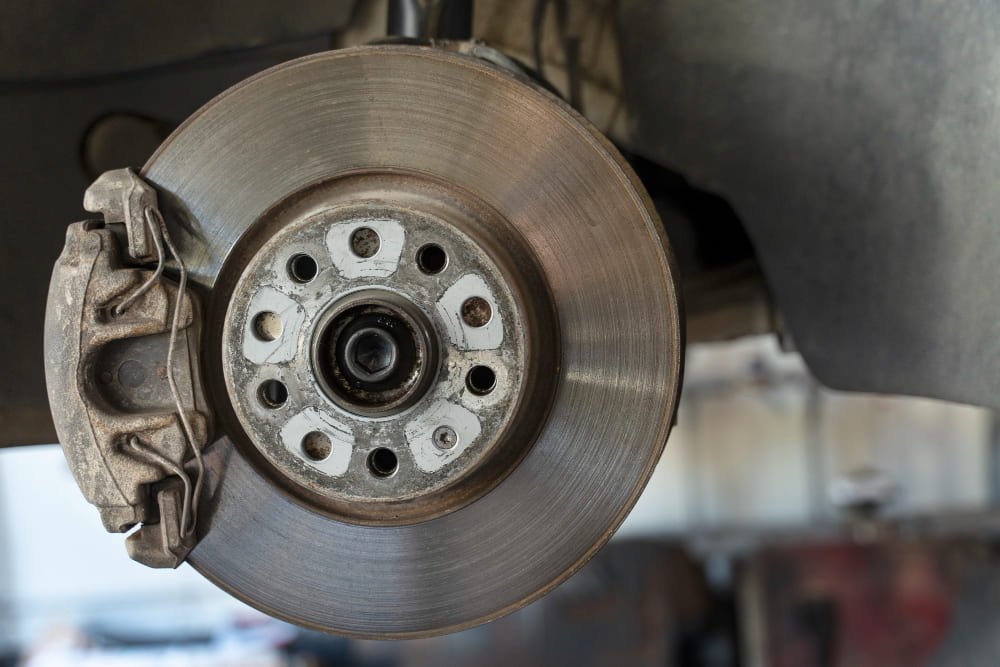
This pressure causes the brake calipers or wheel cylinders to apply braking force, depending on the vehicle’s brake design.
Because liquids are relatively incompressible under normal operating conditions, properly maintained brake fluid allows braking pressure to be transmitted efficiently.
However, brake fluid must also withstand significant temperature changes and operate reliably under demanding conditions.
Using the correct fluid and maintaining its condition are essential for safe braking performance.
Why Is Brake Fluid Important?
Brake fluid performs several critical functions within your vehicle’s braking system.
Transmitting Hydraulic Pressure
The primary purpose of brake fluid is to transfer the force generated when you press the brake pedal.
Without the correct hydraulic fluid and adequate system pressure, the braking system cannot function as designed.
Air entering the hydraulic system can cause a soft or spongy pedal because air is much more compressible than brake fluid.
Withstanding High Temperatures
Braking converts vehicle movement into heat through friction.
During repeated or demanding braking, some of this heat can transfer into the hydraulic system.
Brake fluid is formulated to withstand elevated temperatures without boiling under the conditions specified for its application.
As certain types of brake fluid absorb moisture, their boiling points can decrease.
This becomes particularly important during heavy braking, mountain driving, towing, or other situations that generate substantial braking heat.
Protecting Internal Brake Components
Brake fluid must also be compatible with the materials used inside the hydraulic braking system.
The correct fluid helps support the proper operation of components such as the master cylinder, brake calipers, hydraulic lines, and ABS hydraulic control unit.
Moisture and contamination can contribute to corrosion and other internal problems over time.
How Often Should You Change Brake Fluid?
One of the most common questions drivers ask is: How often should brake fluid be changed?
The answer depends on the vehicle manufacturer, brake fluid specification, operating conditions, and maintenance schedule.
Some manufacturers recommend replacing brake fluid approximately every two years, while others specify three-year intervals, mileage-based schedules, condition-based testing, or different requirements.
There is no universal replacement interval that applies to every vehicle.
The best approach is to follow the brake fluid maintenance schedule provided in your owner’s manual.
For drivers in Pompano Beach, regular brake inspections can also help identify fluid contamination, leaks, and other braking system concerns before they become serious problems.
Should Brake Fluid Be Changed Every Two Years?
A two-year brake fluid replacement interval is a common recommendation for certain vehicles.
However, it should not automatically be applied to every make and model.
Some manufacturers specify different intervals, and some use additional testing or inspection procedures.
If your vehicle’s manufacturer recommends replacement every two years, following that schedule is generally appropriate.
Does Mileage Matter for Brake Fluid Replacement?
Brake fluid condition is not determined by mileage alone.
Moisture absorption and fluid aging can occur over time, even when a vehicle is driven relatively infrequently.
This means a low-mileage vehicle may still require brake fluid replacement according to a time-based maintenance schedule.
Conversely, vehicles used heavily may need additional inspections based on operating conditions and manufacturer guidance.
Why Does Brake Fluid Need to Be Changed?
Many conventional automotive brake fluids are hygroscopic, meaning they absorb moisture over time.
DOT 3, DOT 4, and DOT 5.1 brake fluids are generally glycol-based and have this characteristic.
Moisture can gradually enter the braking system through various pathways, including certain seals and hoses.
As moisture content increases, the fluid’s boiling point may decrease.
Contamination and aging can also affect the condition of the hydraulic system.
Replacing brake fluid at the recommended interval helps maintain the fluid properties required for reliable braking.
What Happens When Brake Fluid Absorbs Moisture?
Moisture contamination is one of the main reasons brake fluid replacement is important.
As moisture accumulates, the fluid’s wet boiling point becomes increasingly relevant.
Under demanding braking conditions, fluid with an excessively reduced boiling point may be more likely to vaporize.
Vapor is compressible, unlike liquid brake fluid.
This can result in reduced hydraulic effectiveness and a soft brake pedal under severe conditions.
Moisture can also contribute to corrosion within certain braking system components.
These problems may develop gradually without obvious warning signs during normal driving.
Does South Florida’s Humidity Affect Brake Fluid?
Pompano Beach and the surrounding South Florida region experience warm, humid conditions throughout much of the year.
Because many brake fluids absorb moisture, environmental humidity is a relevant consideration in long-term brake fluid maintenance.
However, humidity alone does not establish that every vehicle in South Florida requires a shorter replacement interval.
The actual rate of moisture accumulation depends on the braking system, fluid type, age, condition, and other factors.
Drivers should follow manufacturer recommendations and have the braking system inspected when appropriate.
Signs Your Brake Fluid May Need Changing
Deteriorated brake fluid does not always produce obvious symptoms.
In many cases, scheduled maintenance or professional testing identifies the need for replacement before braking performance changes.
However, certain symptoms may indicate a braking system problem that requires immediate attention.
Soft or Spongy Brake Pedal
A brake pedal that feels unusually soft or spongy may indicate air in the hydraulic system, fluid leakage, or another hydraulic problem.
In some demanding braking situations, fluid boiling can also contribute to a soft pedal.
A spongy pedal should not be treated as proof that routine brake fluid replacement is all the vehicle needs.
The complete braking system should be inspected.
Reduced Braking Performance
If your vehicle takes longer than usual to stop or requires more pedal effort, the cause should be investigated promptly.
Worn brake pads, damaged rotors, hydraulic problems, tire conditions, and other issues may affect braking performance.
Contaminated brake fluid is one possible concern, but diagnosis is necessary.
Brake Warning Light
A brake warning light can illuminate for several reasons, including low brake fluid level, parking brake engagement, or a braking system fault.
An ABS warning light may indicate a problem with the anti-lock braking system.
Neither warning light should automatically be interpreted as a routine brake fluid change reminder.
Consult your owner’s manual and arrange an inspection if a warning remains illuminated.
Dark or Contaminated Brake Fluid
Brake fluid can change appearance as it ages.
Some fluids may become darker due to contamination or normal system-related factors.
However, color alone is not a reliable measurement of moisture content or overall fluid condition.
A technician may use appropriate testing methods and manufacturer recommendations to determine whether replacement is necessary.
Unusual Brake Pedal Behavior
A brake pedal that suddenly sinks, feels inconsistent, or behaves differently from normal requires professional attention.
These symptoms may indicate hydraulic leakage, master cylinder problems, air in the system, or other serious issues.
If braking performance is compromised, stop driving when safe and arrange professional assistance rather than continuing to operate the vehicle.
Can Old Brake Fluid Affect Braking Performance?
Yes, under certain conditions.
Brake fluid that has absorbed excessive moisture may have a lower boiling point than fresh fluid meeting the same specification.
During repeated heavy braking, this can increase the risk of vapor formation and reduced hydraulic effectiveness.
However, deteriorated brake fluid may not noticeably change normal braking performance during everyday driving.
This is one reason preventive replacement according to manufacturer recommendations is important.
Waiting until the brake pedal feels abnormal is not a reliable maintenance strategy.
Brake Fluid Change vs. Brake Fluid Flush
Drivers searching for brake fluid service in Pompano Beach often encounter the terms brake fluid change and brake fluid flush.
Although the terms are sometimes used interchangeably, the procedures described can differ.
What Is a Brake Fluid Change?
A proper brake fluid replacement service involves removing old fluid from the hydraulic system and replacing it with fresh fluid that meets the vehicle manufacturer’s specifications.
The exact procedure depends on the vehicle.
Simply removing fluid from the master cylinder reservoir and adding fresh fluid does not replace the fluid throughout the brake lines and hydraulic components.
What Is a Brake Fluid Flush?
A brake fluid flush generally refers to exchanging old fluid throughout the hydraulic braking system.
The procedure may involve moving fresh fluid through the brake circuits until the old fluid has been replaced according to the applicable service method.
Some vehicles require special procedures to service certain ABS components.
The term flush should not be confused with forcing unapproved chemicals or cleaning products through the braking system.
Only manufacturer-approved fluids and procedures should be used.
Which Brake Fluid Service Is Better?
The appropriate procedure is the one specified for the vehicle.
For routine brake fluid maintenance, the goal is generally to replace the aged fluid throughout the relevant hydraulic circuits.
The service should be performed without introducing air into the system and with the correct fluid specification.
A qualified technician can determine the appropriate procedure for your vehicle.
What Is the Difference Between DOT 3, DOT 4, and DOT 5 Brake Fluid?
Brake fluids are classified according to performance standards, including U.S. Department of Transportation specifications.
The correct type depends on the vehicle manufacturer’s requirements.
DOT 3 Brake Fluid
DOT 3 is a glycol-based brake fluid commonly used in many passenger vehicles.
It is formulated to meet specific performance requirements, including minimum dry and wet boiling points.
DOT 4 Brake Fluid
DOT 4 is also generally glycol-based and commonly has higher minimum boiling-point requirements than DOT 3.
Many modern vehicles specify DOT 4 or a particular manufacturer-approved DOT 4 formulation.
DOT 5 Brake Fluid
DOT 5 brake fluid is silicone-based and differs significantly from conventional glycol-based fluids.
It should not be mixed with DOT 3, DOT 4, or DOT 5.1 fluids.
DOT 5 is not appropriate for every braking system.
DOT 5.1 Brake Fluid
DOT 5.1 is generally glycol-based despite its similar name to DOT 5.
It has different performance requirements and is used in applications that specify it.
The important point is that brake fluid selection must follow the manufacturer’s requirements. Fluids should not be substituted simply because they have a higher DOT number.
Can You Mix Different Brake Fluids?
Brake fluid compatibility depends on the specific formulations and vehicle requirements.
Certain glycol-based fluids may be chemically compatible, but this does not mean mixing them is appropriate for every vehicle.
DOT 5 silicone-based fluid should not be mixed with conventional glycol-based brake fluids.
Using the wrong fluid can cause serious braking system problems, including damage to seals and other components.
Always use the fluid specified by the vehicle manufacturer.
How Is Brake Fluid Changed Professionally?
A professional brake fluid replacement begins with identifying the correct fluid specification and service procedure.
The technician may inspect the brake fluid reservoir, master cylinder, hydraulic lines, hoses, calipers, and other accessible components for visible leaks or damage.
The appropriate equipment is then used to exchange the old fluid through the braking system according to manufacturer procedures.
Care must be taken to prevent air from entering the hydraulic circuits.
Depending on the vehicle, specialized equipment or scan-tool procedures may be necessary for certain ABS-related operations.
Once the service is complete, the technician verifies the fluid level, checks for leaks, and evaluates brake pedal operation.
The goal is to ensure that the braking system operates correctly after maintenance.
Does a Brake Fluid Change Remove Air From the Braking System?
Brake fluid replacement and brake bleeding are related procedures, but they are not exactly the same.
Brake bleeding is specifically intended to remove air from the hydraulic system.
Brake fluid replacement is intended to exchange aged or contaminated fluid.
A professional fluid replacement procedure may also involve bleeding techniques.
However, if air has entered the system because of a leak, component replacement, or another problem, the underlying cause must be addressed.
Certain vehicles also require specialized bleeding procedures involving ABS components.
Does Brake Fluid Need to Be Changed When Replacing Brake Pads?
Not automatically.
Brake pad replacement and brake fluid replacement are separate maintenance procedures.
Brake pads wear through friction, while brake fluid maintenance depends on time, condition, and manufacturer recommendations.
If brake fluid replacement is due when brake pads are being serviced, performing both services during the same visit may be convenient.
However, replacing brake pads does not necessarily mean the brake fluid must also be replaced.
Can Low Brake Fluid Mean You Need a Brake Fluid Change?
Not necessarily.
Low brake fluid can result from hydraulic leakage or changes in fluid level as brake pads wear.
A low fluid level should be investigated rather than automatically corrected through a routine fluid change.
Adding fluid without understanding why the level is low may conceal an underlying problem.
If a leak is present, the affected components must be repaired and the system serviced appropriately.
Can Brake Fluid Leaks Be Dangerous?
Yes.
A hydraulic fluid leak can reduce the braking system’s ability to generate or maintain the pressure needed for normal operation.
Leaks may occur at brake lines, hoses, calipers, wheel cylinders, the master cylinder, or other hydraulic components.
Symptoms may include a low brake fluid warning, an unusually soft pedal, or reduced braking effectiveness.
A suspected brake fluid leak should be treated as a safety concern.
If the brake pedal feels abnormal or braking performance is compromised, do not continue driving. Arrange professional assistance.
What Happens If You Never Change Brake Fluid?
When manufacturer-recommended brake fluid maintenance is ignored, moisture and contamination may accumulate over time.
Depending on the fluid and system conditions, this can reduce the fluid’s boiling-point margin and contribute to internal corrosion.
Corrosion may affect hydraulic components and potentially increase future repair costs.
In severe operating conditions, fluid with excessive moisture may also increase the risk of vapor-related braking problems.
The absence of noticeable symptoms does not guarantee that the fluid remains within its recommended service condition.
Can Old Brake Fluid Damage the ABS System?
Moisture and contamination can contribute to corrosion within hydraulic braking components, potentially including parts of the ABS hydraulic control system.
Modern ABS systems contain valves, passages, and other components that depend on proper hydraulic operation.
However, an ABS warning light does not automatically indicate old brake fluid.
Electrical faults, wheel speed sensors, wiring, and other issues can also trigger ABS warnings.
Professional diagnosis is necessary to determine the cause.
How Much Does a Brake Fluid Change Cost in Pompano Beach?
The cost of brake fluid change in Pompano Beach depends on the vehicle, brake fluid specification, service procedure, labor requirements, and whether additional brake system work is necessary.
Different vehicles may require different fluid quantities and service methods.
Some braking systems have specialized bleeding or ABS-related procedures.
If leaks, damaged components, or other braking problems are discovered, those repairs are separate from routine fluid replacement.
For an accurate estimate, the repair shop should identify the vehicle and confirm the required service.
How Long Does a Brake Fluid Change Take?
Service time varies depending on the vehicle and procedure.
A routine brake fluid replacement may be relatively straightforward, while vehicles requiring additional bleeding procedures, specialized equipment, or related repairs may take longer.
The technician should also verify proper pedal operation and inspect for leaks after completing the service.
A vehicle-specific estimate provides the most accurate expectation.
Why Brake Fluid Maintenance Matters in Pompano Beach
Pompano Beach drivers regularly navigate city streets, intersections, residential neighborhoods, and busy South Florida highways.
Reliable braking performance is essential in these conditions.
South Florida’s humid climate also makes moisture-related maintenance considerations relevant, particularly for glycol-based brake fluids.
However, environmental conditions should be considered alongside manufacturer requirements rather than used to justify an arbitrary replacement interval.
Following the recommended maintenance schedule and having the braking system inspected regularly are practical ways to support safe vehicle operation.
Brake Fluid Maintenance for Highway and Stop-and-Go Driving
Different driving conditions place different demands on the braking system.
Frequent stopping in traffic can create repeated braking cycles.
Highway driving may require substantial braking force during sudden slowdowns.
Vehicles used for towing or carrying heavy loads may experience additional braking demands.
Under demanding conditions, properly maintained brake fluid helps preserve the hydraulic system’s intended performance.
Drivers should review the manufacturer’s severe-service recommendations when applicable.
How to Help Keep Your Braking System in Good Condition
Brake fluid replacement is one part of maintaining a complete braking system.
Regular inspections should also consider brake pads, rotors, calipers, hoses, lines, and other components.
Unusual noises, changes in pedal feel, warning lights, and visible fluid leaks should be investigated promptly.
Drivers should avoid opening the brake fluid reservoir unnecessarily because contamination can enter the system.
Only the correct manufacturer-approved fluid should be used when service is required.
Maintaining the entire braking system is more effective than focusing on brake fluid alone.
Brake Fluid Change vs. Brake Repair
Brake fluid replacement is primarily a preventive maintenance service.
Brake repair addresses diagnosed problems involving components such as pads, rotors, calipers, hydraulic lines, hoses, master cylinders, and other parts.
If the braking system is operating normally and brake fluid replacement is due, routine service may be appropriate.
If the vehicle has a sinking brake pedal, fluid leak, significant braking noise, or reduced stopping ability, professional diagnosis is required.
A brake fluid change cannot repair worn brake pads, damaged rotors, leaking brake lines, or a failing master cylinder.
Choosing Brake Fluid Change in Pompano Beach
When searching for brake fluid change near me, brake fluid flush in Pompano Beach, or brake service in Pompano Beach, choose an automotive repair shop that follows vehicle-specific maintenance procedures.
The technician should verify the correct brake fluid specification and inspect the hydraulic system for visible concerns.
The shop should also explain whether routine replacement is due according to the manufacturer’s schedule or whether another braking problem requires attention.
Because the braking system is safety-critical, accurate service and proper verification are essential.
Why Choose TS AutoCar for Brake Fluid Service in Pompano Beach?
TS AutoCar provides professional automotive diagnostics and repair for drivers throughout Pompano Beach.
With more than 20 years of automotive experience, our team understands the importance of proper preventive maintenance and accurate braking system diagnosis.
Brake performance depends on multiple components working together, including brake pads, rotors, calipers, hydraulic lines, and brake fluid.
Rather than assuming every braking concern can be resolved through fluid replacement, we focus on identifying the actual condition of the system.
If brake fluid maintenance is due, the appropriate service should be based on the vehicle’s specifications and manufacturer recommendations.
Our approach emphasizes transparent communication, honest recommendations, accurate diagnostics, and quality workmanship.
For drivers searching for brake fluid change in Pompano Beach, TS AutoCar can help evaluate maintenance needs and identify braking system concerns that may require attention.
Schedule Brake Fluid Change in Pompano Beach
If your vehicle is due for brake fluid replacement, or you are unsure when the service was last performed, scheduling an inspection is a practical first step.
Brake fluid condition is an important part of long-term braking system maintenance, even when the vehicle appears to stop normally.
If you have noticed a soft brake pedal, fluid leak, brake warning light, or reduced braking performance, those symptoms require diagnosis rather than routine maintenance alone.
Contact TS AutoCar to discuss brake fluid change in Pompano Beach, preventive brake maintenance, and professional brake system inspections.
Proper maintenance can help protect hydraulic components and support reliable braking performance.
Frequently Asked Questions About Brake Fluid Changes
How often should you change brake fluid?
Brake fluid replacement intervals depend on the manufacturer. Some vehicles require service approximately every two years, others every three years, and some have different time-based, mileage-based, or condition-based recommendations. Always consult your vehicle’s maintenance schedule.
Is it necessary to change brake fluid every two years?
Not for every vehicle. A two-year interval is common for certain manufacturers, but the correct schedule depends on your vehicle’s specifications and maintenance requirements.
What happens if brake fluid is not changed?
Over time, moisture and contamination may affect fluid performance and contribute to corrosion inside hydraulic braking components. Following the recommended maintenance schedule helps reduce these risks.
How do I know if my brake fluid is bad?
Fluid condition may be evaluated using manufacturer recommendations, maintenance history, and appropriate inspection or testing methods. Color alone is not a reliable indicator of moisture content.
Can old brake fluid cause a spongy brake pedal?
Under demanding braking conditions, moisture-contaminated fluid with a reduced boiling point may contribute to vapor formation and a soft pedal. However, air in the hydraulic system, leaks, and other problems are also important causes that require diagnosis.
Is brake fluid change the same as a brake flush?
The terms are sometimes used interchangeably, but a proper brake fluid replacement involves exchanging aged fluid throughout the relevant hydraulic system. The exact procedure should follow manufacturer requirements.
Can I mix DOT 3 and DOT 4 brake fluid?
Certain glycol-based fluids may be chemically compatible, but you should only use fluids approved for your specific vehicle. Never substitute or mix brake fluids without confirming manufacturer requirements.
Does brake fluid need changing when replacing brake pads?
Not automatically. Brake pads and brake fluid have different maintenance requirements. Brake fluid should be replaced when recommended by the manufacturer or when its condition requires service.
How much does a brake fluid change cost in Pompano Beach?
Pricing depends on vehicle design, fluid specification, service procedure, and labor requirements. A vehicle-specific estimate provides the most accurate cost.
Can low brake fluid cause brake failure?
A significantly low fluid level, particularly when caused by a hydraulic leak, can compromise braking performance. If the brake pedal feels abnormal or stopping ability is reduced, stop driving safely and arrange professional assistance.
Does Florida humidity mean brake fluid should be changed more often?
Humidity is relevant because many brake fluids absorb moisture, but it does not automatically establish a shorter interval for every vehicle. Follow the manufacturer’s recommendations and obtain appropriate inspections.
Where can I get a brake fluid change in Pompano Beach?
Drivers can contact a qualified local automotive repair shop such as TS AutoCar to discuss brake fluid replacement, manufacturer-recommended maintenance, and professional braking system inspections.
Conclusion
Brake fluid is a critical part of your vehicle’s hydraulic braking system. It transfers pressure from the brake pedal to the braking components, withstands demanding operating temperatures, and supports the proper operation of internal hydraulic parts.
Over time, certain brake fluids absorb moisture and may become contaminated, potentially reducing their boiling-point performance and contributing to corrosion.
Because brake fluid deterioration does not always produce obvious symptoms, following the manufacturer’s maintenance schedule is more reliable than waiting for braking problems to develop.
For drivers searching for brake fluid change in Pompano Beach, the most important considerations are using the correct fluid, following the proper service procedure, and ensuring the complete braking system remains in good condition.
TS AutoCar provides professional automotive diagnostics and repair in Pompano Beach with a focus on preventive maintenance, accurate inspections, transparent recommendations, and dependable workmanship.
Whether your vehicle is due for scheduled brake fluid replacement or you have noticed changes in braking performance, professional attention can help maintain the safety and reliability of your vehicle.