Coolant Flush in Pompano Beach: How Often Does Your Car Really Need It?
Your vehicle’s cooling system works every time you drive, protecting the engine from overheating and helping it maintain the proper operating temperature. At the center of this system is the engine coolant, a specially formulated fluid that absorbs heat, prevents corrosion, lubricates critical components, and protects the engine in both hot and cold conditions.
Over time, coolant loses its protective properties. It becomes contaminated with rust, scale, and debris, reducing its ability to regulate engine temperature efficiently. When this happens, your vehicle becomes more susceptible to overheating, corrosion, water pump failure, radiator damage, and expensive engine repairs.
For drivers searching for coolant flush in Pompano Beach, understanding how the cooling system works, when coolant should be replaced, and why preventive maintenance matters can significantly extend the life of your vehicle while helping you avoid costly breakdowns.
What Is a Coolant Flush?
A coolant flush is a maintenance service that completely removes old coolant from the cooling system and replaces it with fresh coolant that meets the manufacturer’s specifications.
Unlike simply topping off the coolant reservoir, a complete coolant flush removes contaminants, corrosion particles, old antifreeze, and deposits that accumulate inside the radiator, engine block, heater core, and cooling passages over time.
Once the old coolant has been removed, the system is refilled with the proper coolant mixture, ensuring optimal protection against overheating, corrosion, and premature wear.
A properly performed coolant flush helps restore the efficiency of the entire cooling system.
How Does Engine Coolant Work?
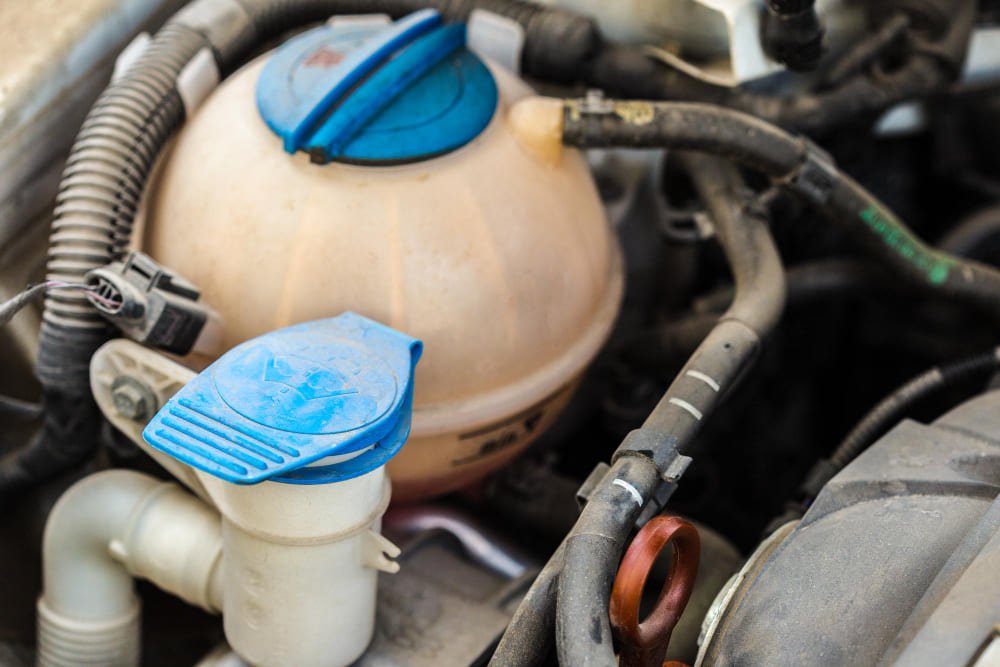
Engine coolant, also known as antifreeze, performs several essential functions beyond simply preventing overheating.
As the engine operates, combustion generates tremendous amounts of heat. Coolant circulates through passages inside the engine block, absorbing this heat before flowing to the radiator. Inside the radiator, heat is released into the surrounding air before the coolant returns to the engine to repeat the cycle.
Modern coolant also contains additives designed to prevent rust, corrosion, mineral deposits, and internal deterioration of cooling system components. It lubricates the water pump and helps maintain stable operating temperatures under a wide variety of driving conditions.
Without healthy coolant, the cooling system cannot protect the engine effectively.
Why Coolant Flushes Are So Important
Many vehicle owners remember to change their engine oil but overlook the cooling system until problems appear.
Unfortunately, coolant gradually breaks down as it ages. The protective additives become depleted, allowing corrosion and deposits to form inside the cooling system.
Old coolant becomes less effective at transferring heat, increasing the workload placed on the radiator, thermostat, water pump, and cooling fans.
Routine coolant flushes help maintain the performance of the cooling system while reducing the risk of expensive repairs caused by overheating or internal corrosion.
What Happens When Coolant Is Not Changed?
Ignoring coolant replacement for too long can lead to several mechanical problems that become progressively more expensive to repair.
Increased Risk of Engine Overheating
As coolant loses its ability to transfer heat efficiently, engine temperatures begin to rise.
During hot Florida summers or heavy stop-and-go traffic in Pompano Beach, the cooling system must work even harder. Old coolant may no longer provide sufficient protection, increasing the likelihood of overheating.
Repeated overheating can cause serious internal engine damage.
Internal Corrosion
Fresh coolant contains corrosion inhibitors that protect aluminum, steel, brass, and other metals inside the cooling system.
Once these additives wear out, rust and corrosion begin attacking the radiator, heater core, engine block, and cooling passages.
Internal corrosion restricts coolant flow and reduces overall cooling efficiency.
Water Pump Damage
The water pump depends on coolant not only for cooling but also for lubrication.
Old or contaminated coolant may increase wear on internal seals and bearings, shortening the life of the water pump.
Replacing a water pump is significantly more expensive than performing routine coolant maintenance.
Radiator Blockage
Over time, rust particles and mineral deposits can accumulate inside the radiator.
Restricted coolant flow reduces the radiator’s ability to dissipate heat, causing higher engine temperatures and placing additional stress on the cooling system.
Signs Your Vehicle May Need a Coolant Flush
Although following the manufacturer’s maintenance schedule is always recommended, your vehicle may also provide warning signs that coolant service is becoming necessary.
Rising Engine Temperature
If your temperature gauge begins running higher than normal without an obvious reason, deteriorated coolant may be reducing the cooling system’s efficiency.
Although many issues can cause elevated engine temperatures, coolant condition should always be evaluated during diagnosis.
Dirty or Rust-Colored Coolant
Healthy coolant is typically bright and clean, depending on the type used by the manufacturer.
If the coolant appears rusty, cloudy, muddy, or contains visible debris, contamination may be affecting cooling system performance.
A professional inspection can determine whether a coolant flush is appropriate.
Sweet Smell Around the Vehicle
Coolant has a distinctive sweet odor.
If you notice this smell around your vehicle, especially after parking, it may indicate a coolant leak that should be inspected immediately.
Simply replacing coolant without repairing the leak will not solve the problem.
Coolant Warning Light
Many modern vehicles monitor coolant level or engine temperature electronically.
If a coolant warning light appears on the dashboard, professional diagnosis is recommended to determine whether the issue involves coolant level, overheating, leaks, sensors, or another cooling system component.
How Often Should You Flush Your Coolant?
There is no universal interval that applies to every vehicle.
The proper coolant replacement schedule depends on the manufacturer, coolant formulation, vehicle age, engine design, and driving conditions.
Some vehicles require coolant replacement approximately every 30,000 miles, while others equipped with long-life coolant may not require service until 100,000 miles or more.
Rather than relying on general mileage recommendations, vehicle owners should always consult the manufacturer’s maintenance schedule.
For vehicles driven under severe conditions—including frequent short trips, heavy traffic, towing, or extreme heat—maintenance intervals may differ.
Routine inspections help determine whether the coolant remains in good condition or if replacement is appropriate.
Different Types of Engine Coolant
Modern vehicles use several different coolant formulations.
Conventional Green Coolant
Traditional green coolant is commonly found in older vehicles and generally requires more frequent replacement than newer coolant technologies.
Because maintenance intervals vary by manufacturer, owners should follow the specifications provided for their particular vehicle.
Organic Acid Technology (OAT)
Many newer vehicles use Organic Acid Technology coolant, which typically offers extended service life compared with conventional coolant.
Its chemical formulation provides long-term corrosion protection while maintaining efficient heat transfer.
Hybrid Organic Acid Technology (HOAT)
Some manufacturers specify Hybrid Organic Acid Technology coolant.
This formulation combines characteristics of traditional and organic coolant technologies and should only be used when recommended by the manufacturer.
Why Using the Correct Coolant Matters
Not all coolants are compatible with every vehicle.
Mixing incompatible coolant formulations can reduce corrosion protection, create chemical reactions, or compromise cooling system performance.
Whenever coolant is replaced, the correct manufacturer-approved specification should be used.
Why Cooling System Maintenance Matters in Pompano Beach
Driving conditions in South Florida place exceptional demands on every vehicle’s cooling system.
High ambient temperatures increase engine operating temperatures throughout much of the year. Heavy traffic forces vehicles to spend extended periods idling with limited airflow through the radiator. Air conditioning systems operate almost continuously, increasing engine load and heat production.
These conditions make a healthy cooling system especially important for drivers in Pompano Beach.
Routine coolant maintenance helps ensure your vehicle remains prepared for Florida’s demanding climate.
What Happens During a Professional Coolant Flush?
A professional coolant flush involves much more than draining the radiator.
Cooling System Inspection
Before replacing the coolant, technicians inspect hoses, radiator connections, clamps, the thermostat housing, water pump, and expansion tank for leaks or visible damage.
If leaks are present, repairs should be completed before new coolant is installed.
Draining the Old Coolant
The old coolant is carefully removed from the cooling system.
This process eliminates contaminated fluid that has lost its protective properties.
Flushing the System
The cooling system is flushed to remove rust particles, sediment, mineral deposits, and old coolant residue from internal passages.
This step helps restore efficient coolant circulation.
Refilling With Fresh Coolant
The system is refilled using the correct coolant type and mixture specified for the vehicle.
Proper filling procedures help eliminate trapped air that could reduce cooling efficiency.
System Testing
After refilling, technicians verify coolant level, inspect for leaks, confirm proper operating temperature, and ensure the cooling fans and thermostat function correctly.
Coolant Flush vs. Coolant Top-Off
Many drivers believe adding coolant to the reservoir is the same as replacing it.
However, these are two completely different services.
A coolant top-off simply restores fluid level when coolant is slightly low.
A coolant flush completely removes old coolant, contaminants, and corrosion deposits before replacing the entire supply with fresh coolant.
If the coolant has become contaminated or reached the end of its service life, topping it off will not restore its protective properties.
Can Old Coolant Cause Engine Damage?
Yes.
Although coolant degrades gradually, prolonged neglect can contribute to serious engine problems.
Reduced cooling efficiency increases the likelihood of overheating. Corrosion can damage the radiator, heater core, thermostat, and water pump. Severe overheating may eventually result in warped cylinder heads, blown head gaskets, or even complete engine failure.
Compared with these repairs, routine coolant maintenance is relatively inexpensive preventive care.
How Much Does a Coolant Flush Cost?
The cost of a coolant flush depends on several factors, including the vehicle’s cooling system capacity, coolant type, manufacturer specifications, and whether additional repairs are required.
If technicians discover leaking hoses, a failing thermostat, radiator damage, or water pump problems during inspection, those repairs may also need attention.
A reputable repair shop should perform a complete inspection before recommending additional services.
How to Extend the Life of Your Cooling System
Proper maintenance helps maximize the lifespan of every cooling system component.
Regularly inspect coolant levels according to the manufacturer’s recommendations. Never ignore temperature gauge changes or dashboard warning lights. Repair coolant leaks promptly before significant fluid loss occurs. Schedule cooling system inspections during routine maintenance visits, and always use the correct coolant specified for your vehicle.
Preventive maintenance is far less expensive than repairing an overheated engine.
Choosing a Coolant Flush Service in Pompano Beach
When searching for coolant flush service in Pompano Beach, choose an auto repair shop that performs complete cooling system inspections rather than simply replacing coolant.
Experienced technicians should evaluate the condition of the radiator, hoses, thermostat, water pump, cooling fans, and pressure integrity of the system before recommending service.
Clear communication, quality workmanship, and adherence to manufacturer specifications are essential for long-lasting cooling system performance.
Why Choose TS AutoCar for Cooling System Service?
At TS AutoCar, we understand how important a properly functioning cooling system is for reliable vehicle performance in South Florida’s demanding climate.
With more than 20 years of automotive experience, our technicians perform comprehensive cooling system inspections to identify potential problems before they become major repairs.
Whether your vehicle needs a coolant flush, thermostat replacement, radiator repair, leak diagnosis, or complete cooling system service, our team focuses on accurate diagnosis, transparent recommendations, and quality repairs that help keep your vehicle operating safely.
We believe every customer deserves honest service and clear explanations about what their vehicle needs and why.
Schedule Your Coolant Flush in Pompano Beach
Your engine’s cooling system works hard every mile you drive. Waiting until your vehicle overheats can result in expensive repairs that could often have been prevented through routine maintenance.
If your vehicle is approaching its recommended coolant service interval or you’re noticing higher engine temperatures, coolant discoloration, or signs of cooling system problems, schedule a professional inspection.
Contact TS AutoCar today for professional coolant flush service in Pompano Beach and keep your engine protected for the miles ahead.
Frequently Asked Questions
How often should coolant be flushed?
The correct interval depends on the vehicle manufacturer and coolant type. Some vehicles require replacement around 30,000 miles, while others equipped with long-life coolant may go 100,000 miles or more. Always follow the manufacturer’s maintenance schedule.
Can I simply add coolant instead of flushing it?
Adding coolant only restores the fluid level. It does not remove contaminated coolant or restore depleted corrosion inhibitors. A coolant flush is necessary when the coolant has reached the end of its service life.
What happens if coolant is never changed?
Old coolant can contribute to overheating, corrosion, radiator blockage, water pump wear, thermostat problems, and severe engine damage if neglected long enough.
Is coolant the same as antifreeze?
The terms are often used interchangeably. Most engine coolant is a mixture of antifreeze and water formulated to regulate engine temperature while protecting the cooling system from corrosion.
Does every vehicle use the same coolant?
No. Different manufacturers require different coolant formulations. Using the wrong coolant may reduce protection or cause compatibility issues. Always use the specification recommended for your vehicle.
Conclusion
Engine coolant plays a vital role in protecting your vehicle from overheating, corrosion, and premature wear. Although it is often overlooked, coolant gradually loses its effectiveness over time, making routine replacement an essential part of preventive maintenance.
By following the manufacturer’s recommended service intervals, monitoring your cooling system, and scheduling professional coolant flush service when needed, you can extend the life of your engine and reduce the risk of expensive repairs.
For drivers in Pompano Beach, where high temperatures and demanding traffic conditions place additional stress on the cooling system, regular coolant maintenance is one of the smartest investments you can make in your vehicle’s long-term reliability.